What Is MQM? A Plain-English Guide to Measuring Translation Quality
"Good translation" is an opinion. MQM turns it into a measurable score you can track and improve.
Ask two reviewers whether a translation is good and you may get two different answers. MQM, short for Multidimensional Quality Metrics, was created to replace that guesswork with a shared, structured way to describe and measure quality.
How MQM works
A reviewer reads the translation and logs each problem they find. Every issue gets two labels:
- A category: what kind of error it is.
- A severity: how serious it is, usually minor, major or critical.
The errors are then weighted by severity and compared against the word count, which produces a score. Because the method is the same every time, you can compare vendors, languages, projects and months.
Common error categories
- Accuracy: mistranslation, omission, addition.
- Fluency: grammar, spelling, punctuation, unnatural phrasing.
- Terminology: wrong or inconsistent terms against the glossary.
- Style: tone or register that does not suit the brief.
- Locale conventions: date, number and currency formats.
- Verity: content that does not fit the target market or is factually wrong there.
Why it helps
- Objective feedback. Linguists see exactly what to fix and why.
- Trends over time. You can tell whether quality is improving and where problems cluster.
- Fair comparison. Different teams are measured against the same yardstick.
- Root-cause analysis. Patterns, such as repeated terminology errors, point to the fix, which may be a better glossary rather than a different translator.
When to ask for it
MQM is most useful on large or ongoing programmes, regulated content, and when you work with several vendors or languages and want consistent standards. For a one-off short document, a standard proofreading step is usually enough.
At BlueInk we can score samples or full projects with MQM and share the results with your team. If you would like to see how your current translations measure up, send us a sample.
Need help with linguistic testing (mqm)?
Tell us about your project and we will send a free, no-obligation quote.
More from the blog

Benefits of Translating Your Content for a Global Audience
Translating your content means adapting your marketing materials, website, product descriptions, and other content to a different language or cultural context.
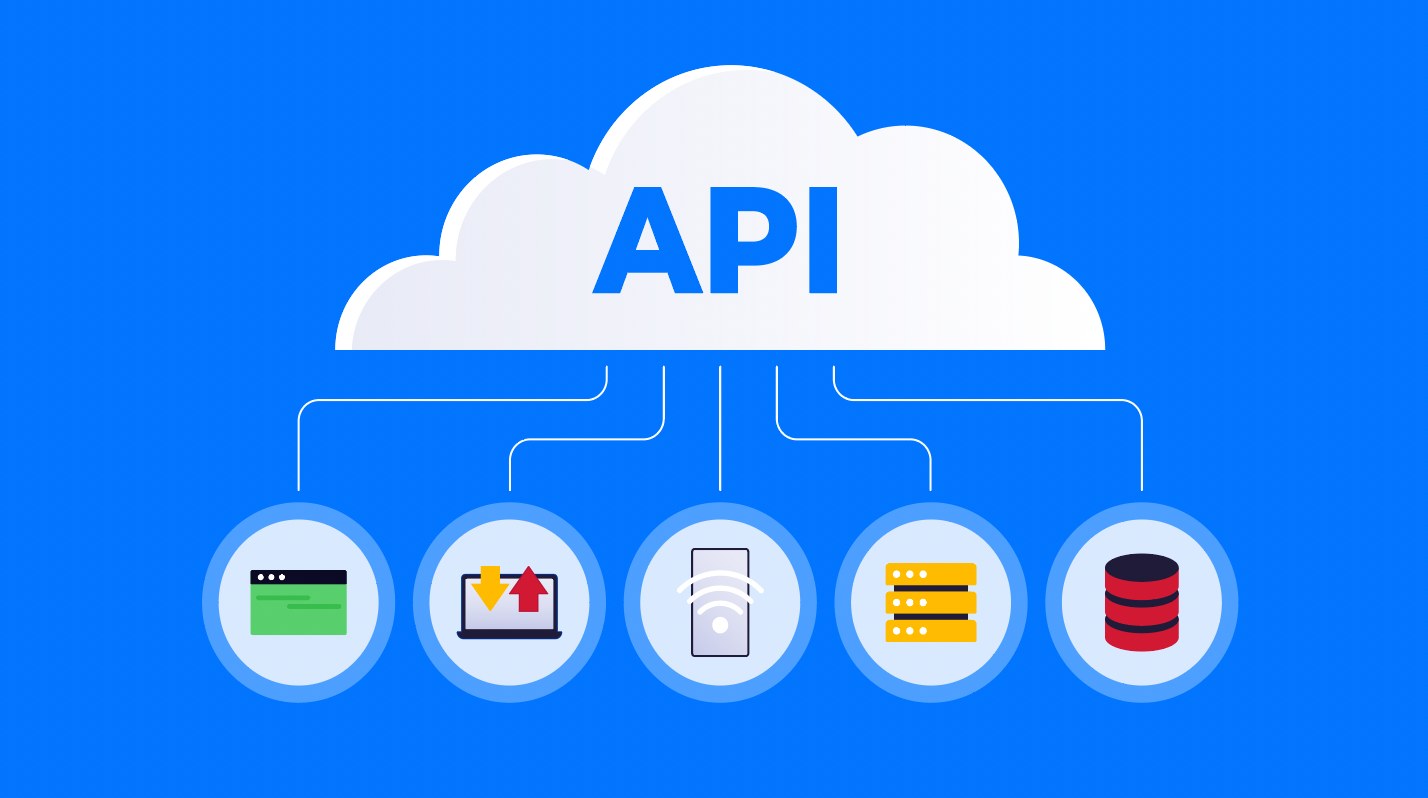
What is Translation API and why many companies are using it?
In today’s global economy, businesses are constantly interacting with clients and customers from different regions, cultures, and languages.

Mastering the Art of Marketing Content Translation
When it comes to translating content, there are different approaches for different types of content.