Website Localization and SEO: A 10-Point Checklist
A translated site that nobody can find helps nobody. Ten checks to make your localized website visible in search.
Many companies translate their website and then wonder why traffic does not follow. Search engines and readers need clear signals about which page is for which language and market. Use this checklist before and after you launch.
1. Research keywords in each language
Do not translate keywords literally. People search differently in each language, and often mix English terms. Start with local keyword research and map terms to pages.
2. Choose a URL structure and stick to it
The usual options are country domains (example.in), subdomains (hi.example.com) or subfolders (example.com/hi/). Subfolders are often the simplest to manage. Whatever you choose, keep it consistent.
3. Add hreflang tags
Hreflang tells search engines which version suits which language and region. Each page should reference all its alternates, including itself, and the references must be reciprocal.
4. Translate the metadata
Page titles and meta descriptions appear in search results. Write them natively and keep within length limits, remembering that some scripts take more space.
5. Localize URLs and slugs
Where it suits the script and audience, use readable, translated slugs. Keep them short and avoid characters that break in links.
6. Localize images and alt text
Text inside images needs translating. Alt text should describe the image in the target language, which also helps accessibility.
7. Check formats and currency
Dates, numbers, phone formats, addresses, units and currency should follow local conventions, including in forms and checkout.
8. Test fonts and layout
Confirm the fonts support the script, text fits buttons and menus, and right-to-left languages mirror the layout correctly.
9. Keep content in sync
Outdated translated pages hurt trust. Use a translation memory and a clear process so updates to the source reach every language.
10. Review before and after launch
Have a native speaker read the pages in the live site, not only in a document. After launch, track rankings, traffic and conversions by language and improve the pages that underperform.
Planning a multilingual site? Our website localization team can handle the content, metadata and testing together.
Need help with website localization?
Tell us about your project and we will send a free, no-obligation quote.
More from the blog
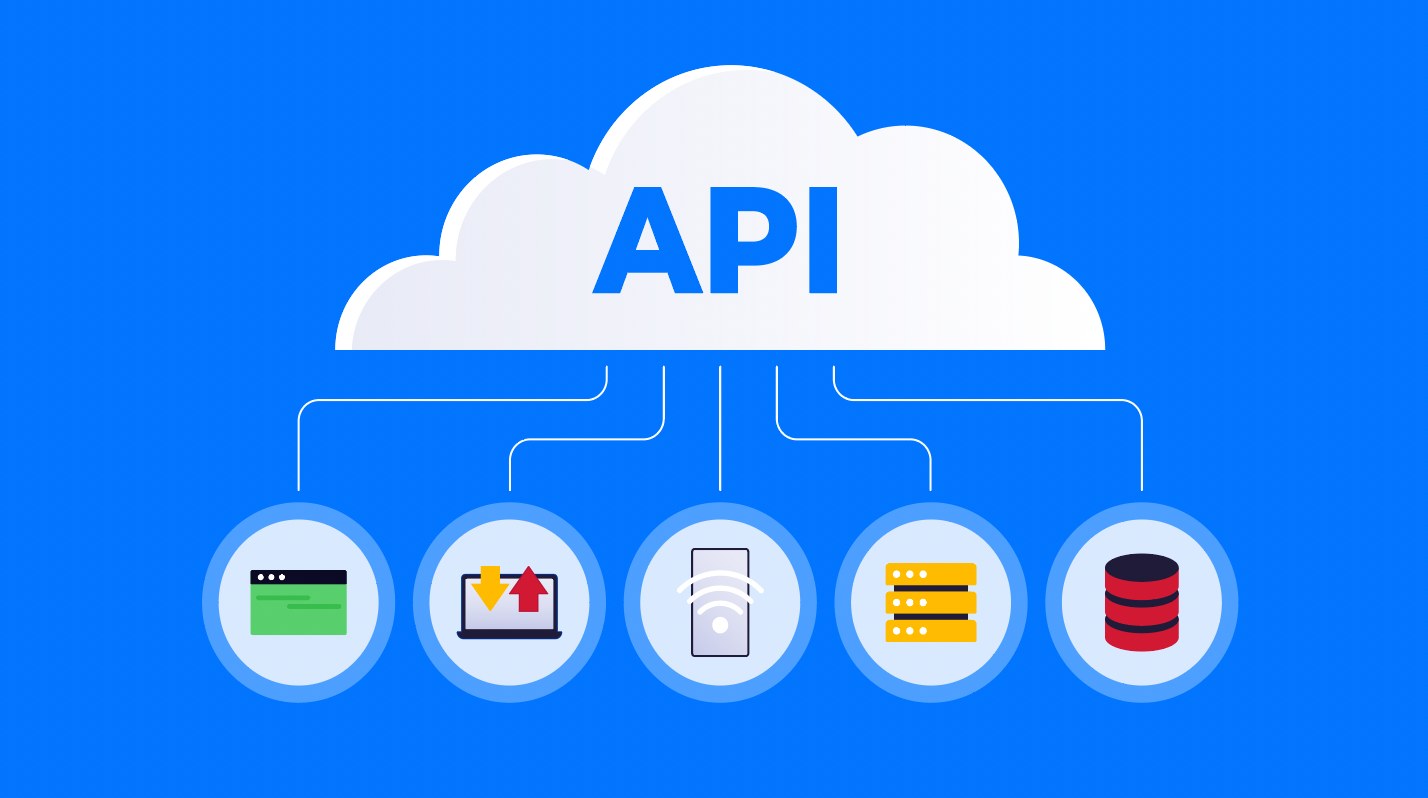
What is Translation API and why many companies are using it?
In today’s global economy, businesses are constantly interacting with clients and customers from different regions, cultures, and languages.

Revolutionizing Localization: Trends and Technologies Transforming the Industry
The localization industry is constantly evolving, with translation agencies adopting new technologies to reduce costs and improve accuracy.

Language Models in Localization
Have you ever wondered how Google Translate can translate sentences in a way that makes sense most of the time?