Localizing for India: Why Hindi Alone Is Not Enough
Hindi opens a large door, but not every door. How to choose the Indian languages that actually grow your reach.
Many brands treat "localizing for India" as "translating into Hindi". Hindi is spoken and understood by a very large number of people, but India is a multilingual country, and the language people prefer for shopping, banking, healthcare or learning is often the one they grew up speaking at home.
One country, many languages and scripts
The Constitution of India lists 22 scheduled languages, and there are many more spoken across regions. They use different scripts, including Devanagari, Gujarati, Bengali, Tamil, Telugu, Kannada, Malayalam, Gurmukhi and Odia, as well as Perso-Arabic for Urdu. A single Hindi version cannot serve readers of all of these.
How to choose your languages
- Start from your customers. Look at where your sales, app installs or enquiries come from and which languages those regions speak.
- Match language to channel. Customer support, WhatsApp messages, voice and video often convert better in the local language than long web pages.
- Prioritise by impact. Begin with two or three languages, measure, then expand.
- Consider the domain. Financial, health and government-facing content has the strongest need for local-language clarity.
Things that go wrong
- Overly formal or "textbook" language. Pure Sanskritised Hindi or bookish Marathi can feel distant. Good localization finds the register your audience actually uses.
- Mixed English words. Many users naturally mix English terms with their language. The right choice depends on the audience and the brand.
- Font and rendering problems. Complex scripts need fonts that support conjuncts and correct line breaks. Always test on real devices.
- Dialect differences. Urdu in India, Punjabi in Gurmukhi and Punjabi in Shahmukhi, or Tamil spoken in different regions, can differ in vocabulary and spelling.
- Machine-translated content with no review. It tends to be literal and unnatural, which readers notice immediately.
A practical approach
Work with native linguists who live in the market, agree a glossary of brand and product terms, and ask for a review step by a second linguist for customer-facing content. Test the result with a few real users before a full rollout.
BlueInk is based in Ahmedabad and works across Indian languages every day. Tell us your audience and we will suggest where to start.
Need help with website localization?
Tell us about your project and we will send a free, no-obligation quote.
More from the blog

Benefits of Translating Your Content for a Global Audience
Translating your content means adapting your marketing materials, website, product descriptions, and other content to a different language or cultural context.
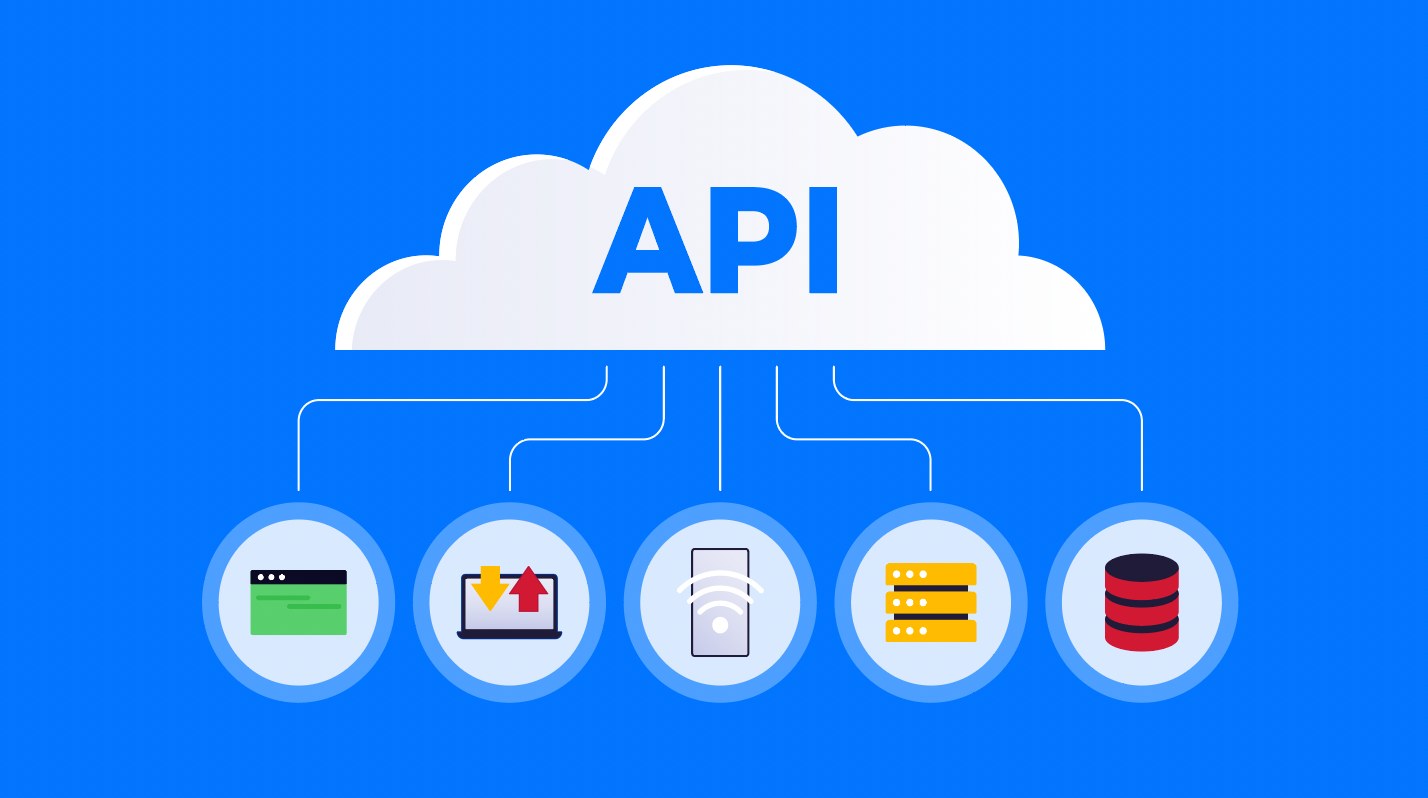
What is Translation API and why many companies are using it?
In today’s global economy, businesses are constantly interacting with clients and customers from different regions, cultures, and languages.
Mastering the Art of Marketing Content Translation
When it comes to translating content, there are different approaches for different types of content.